


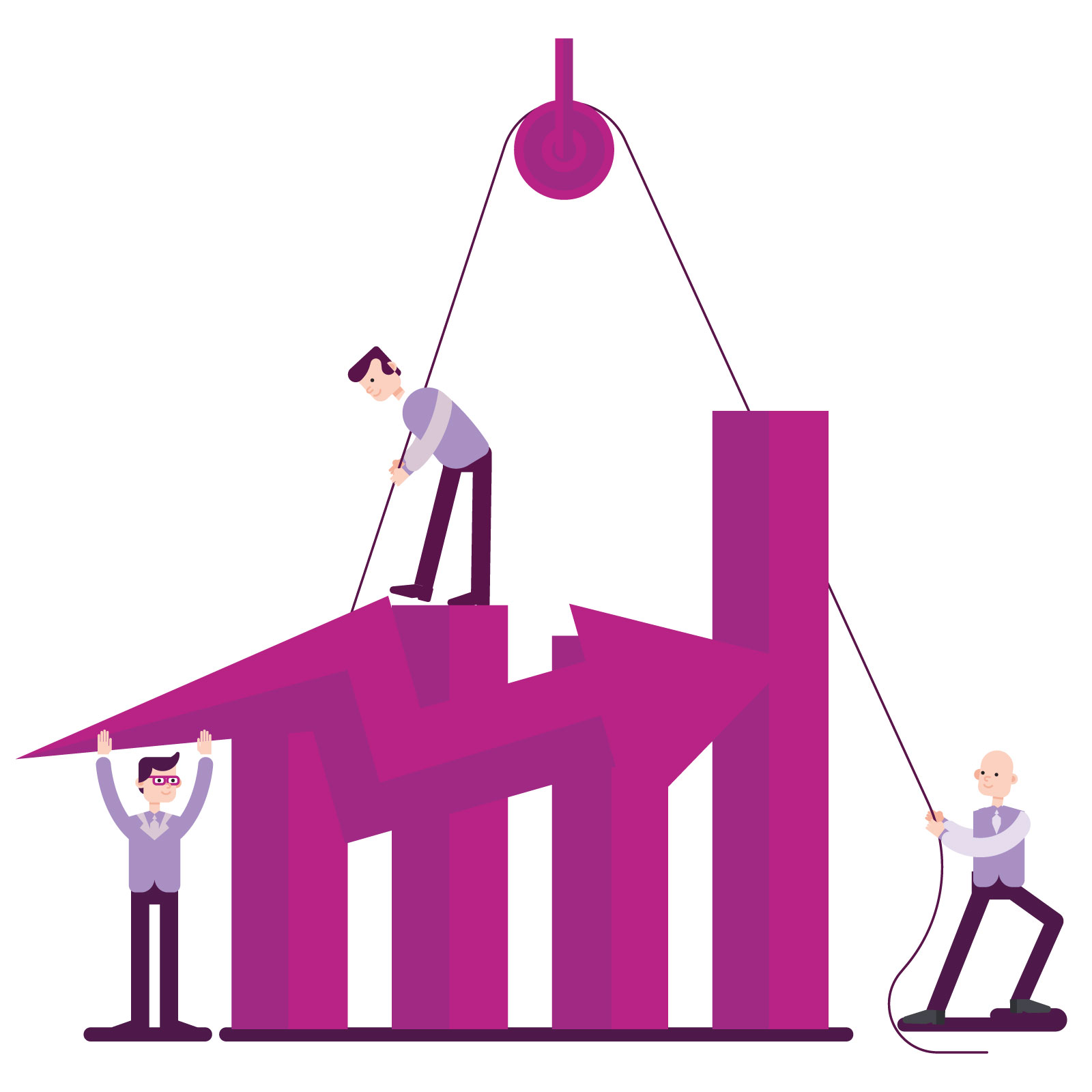
Performance Max is now the default growth engine for e-commerce brands advertising on Google.
It promises automated bidding, cross-channel reach, simplified structure, and faster scale. For many brands, it works exactly as promised at first. Reach expands across Search, Shopping, YouTube, Display, and Discover. Spends go up. Revenue follows. ROAS looks healthy inside the platform.
But as investment increases, a less visible pattern begins to surface:
- In-platform performance still looks strong
- Revenue continues to grow
- ROAS appears stable
Yet behind the dashboard, something else is happening:
- Margins tighten
- Return rates climb
- Cash flow becomes less predictable
- Confidence in the channel starts to wobble
At this point, the conversation often turns to a single question:
“Is Performance Max still right for us?”
In most cases, the answer isn’t about the platform at all.
It’s about commercial maturity.
After running Performance Max across ecommerce businesses at multiple stages of growth, a clear pattern emerges. Brands don’t struggle because PMax “stops working.” They struggle because they try to scale beyond the commercial controls their business can support.
This is the Performance Max Commercial Maturity Curve.
Understanding the Performance Max Commercial Maturity Curve
The maturity curve isn’t about how clever your bidding strategy is, how many assets you’ve uploaded, or how aggressively you test creatives.
It’s about the relationship between media performance and unit economics.
As spending increases, the tolerance for inefficiency decreases. What feels manageable at £10k per month becomes dangerous at £200k. The difference between brands that scale smoothly and brands that stall is not ambition. It’s alignment.
Let’s walk through the four stages.
Stage 1: Platform-Led Performance
- Primary objective: Get Performance Max live and driving volume
- Primary KPIs: ROAS, revenue, conversions
At Stage 1, Performance Max is treated as a deployment exercise.
The focus is speed. Coverage. Momentum.
Typical characteristics include:
- Broad product eligibility
- All SKUs are included by default
- Incomplete, estimated, or outdated COGS
- Returns are treated as a downstream operational issue
- Strong belief in “letting the algorithm learn”
And early on, it works.
Performance Max finds demand quickly. Volume ramps. Revenue grows. ROAS looks healthy. Internally, there’s a sense that the channel has “cracked it.”
The problem is that the system operates without an economic context.
It’s optimising for conversion value alone. Not profitability. At low spend levels, the limitation is not visible. Once budgets rise, the cracks appear.
As budgets grow, however, those hidden inefficiencies start to compound.
Stage 2: Efficiency-Led Optimisation
- Primary objective: Improve efficiency and stabilise performance
- Primary KPIs: ROAS, CPA, blended efficiency
This is where most competent performance teams operate.
The basics are tightened. The obvious waste is removed. The account looks controlled.
Common improvements at this stage include:
- Budget reallocation across campaigns or asset groups
- Smarter creative testing and asset coverage
- Basic product exclusions (out of stock, low intent items)
- Tighter bidding and pacing
- More structured, regular reporting
Performance improves. Volatility reduces. Forecasting becomes easier.
But optimisation is still happening at an aggregate level.
Here’s the subtle but critical issue:
- ROAS improves
- Efficiency increases
- But profitability is still assumed, not proven
A 4.5x ROAS can hide a wide range of outcomes depending on margin, shipping, and returns. At Stage 2, brands are optimising performance, not controlling economics.
This is often where confidence is highest… and risk quietly builds.
Stage 3: Product-Led Control
- Primary objective: Decide what should be scaled
- Primary KPIs: Margin, return rate, profit by SKU
Stage 3 is the inflection point.
At this stage, brands stop asking, “How do we make Performance Max work better?”
And start asking, “What deserves to be scaled at all?”
The shift is structural.
Key changes include:
- Complete COGS at the variant or SKU level
- Visibility into profit after returns
- Identification of high-return, low-quality revenue drivers
- Clearly defined “do not scale” product lists
- Product mix treated as a strategic lever, not a by-product
Performance Max becomes noticeably more predictable here.
Surprises reduce. Performance conversations become calmer. Internal debates move from opinion to evidence.
Marketing discussions begin to sound like finance discussions because they’re grounded in the same data.
At Stage 3, the platform stops feeling opaque. It becomes governable.
Stage 4: Commercially Optimised Scale
- Primary objective: Sustainable, repeatable profit growth
- Primary KPIs: Contribution margin, profit after returns
At Stage 4, Performance Max is no longer viewed as a campaign type.
It’s infrastructure.
Characteristics of Stage 4 brands include:
- Product eligibility governed by unit economics
- Budget allocation informed by margin potential, not just demand
- Returns are treated explicitly as a cost of acquisition
- Media, product, and finance teams fully aligned
- Scaling decisions made with commercial certainty
Growth at this stage feels different.
It’s less reactive. More intentional.
Performance Max stops being a growth experiment and becomes a dependable commercial system that can be scaled with confidence rather than hope.
Why Most Brands Struggle At Scale
The most common failure point with Performance Max isn’t execution.
It’s mismatch.
- Many brands are operating at: Stage 1 or Stage 2 commercial maturity
- While spending at: Stage 4 intensity
When that happens:
- Returns compound
- Margins erode
- Cash pressure increases
- Trust in the channel declines
The instinctive response is often to blame the platform.
But the platform hasn’t failed.
The business has outpaced its commercial controls.
The Question That Matters Most
Before scaling Performance Max, every e-commerce brand should ask one simple, uncomfortable question:
“Which stage are we genuinely operating in and which stage are we trying to spend at?”
Until those two are aligned, Performance Max will continue to feel unpredictable, volatile, and occasionally dangerous.
When they are aligned, it becomes one of the most powerful and stable growth levers available in e-commerce.
Need a fresh perspective? Let’s talk.
At 360 OM, we specialise in helping businesses take their marketing efforts to the next level. Our team stays on top of industry trends, uses data-informed decisions to maximise your ROI, and provides full transparency through comprehensive reports.







.png)


